Expose Utilities Without Damaging Underground Lines
Vacuum Excavation in Grand Junction for projects requiring visual confirmation of buried infrastructure before construction proceeds
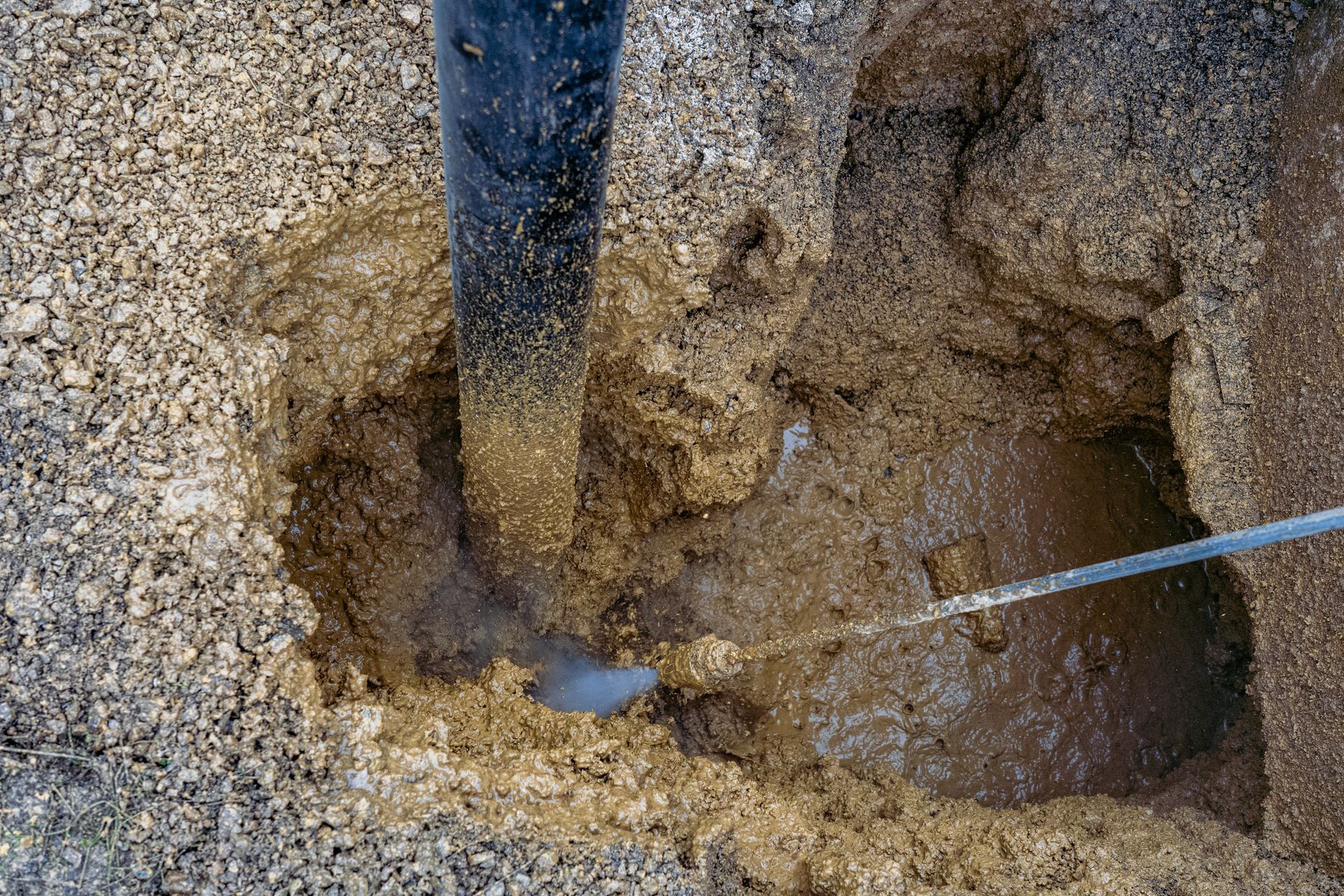
When utility locating identifies the general path of an underground line, vacuum excavation removes soil to expose the actual pipe or cable so crews can see its exact position, depth, and condition. Rough Country Locates LLC uses vacuum excavation across Grand Junction for potholing and daylighting applications where construction plans require verified utility information rather than surface markings alone. Potholing creates small test holes that confirm what locating detected, while daylighting exposes longer sections of buried infrastructure so work can proceed around lines that would be vulnerable to mechanical excavation equipment.
Vacuum systems pull soil and debris into a containment tank while leaving buried utilities intact, unlike backhoes or trenchers that cut through ground without sensing what lies beneath the blade. The process uses controlled suction to remove material from around pipes, conduits, and cables, allowing crews to visually inspect infrastructure that would otherwise remain hidden until a dig uncovers it or damages it.
Arrange vacuum excavation when utility verification is required before digging to reduce the risk of line strikes and costly service interruptions.
What Potholing and Daylighting Accomplish on Site
Vacuum excavation removes soil in precise locations where utility conflicts need resolution or where construction plans depend on confirmed utility depth and placement. Test holes reveal whether utilities run at the depth indicated by outdated records, whether multiple lines occupy the same trench, and whether clearances allow safe installation of new infrastructure without relocating existing lines.
Once excavation is complete, you see exposed utilities resting in clean excavation zones without the surrounding soil damage that mechanical digging causes. Contractors measure exact depths, photograph conditions for engineering review, and proceed with confidence that the infrastructure they are building around matches the verified layout rather than assumptions based on decades-old maps.
Vacuum excavation works across commercial sites, industrial facilities, roadway projects, and municipal infrastructure zones where utility congestion or aging records create uncertainty. The method does not replace full-scale trenching for new utility installation, but it provides the verification step that prevents conflicts during later construction phases.
Questions About Non-Destructive Excavation Methods
Projects in Western Colorado often encounter compacted soils and rocky conditions where vacuum excavation provides safer utility exposure than traditional digging methods.
What is the difference between potholing and daylighting in vacuum excavation work?
Potholing creates small test holes to verify utility location and depth at specific points, while daylighting exposes longer sections of infrastructure so crews can work directly alongside the utility without risk of contact.
How does vacuum excavation reduce the risk of utility damage compared to mechanical digging?
Vacuum systems remove soil without using blades or teeth that can puncture pipes, sever cables, or crack conduits, allowing excavation to proceed within inches of buried lines without causing strikes.
When should vacuum excavation be used instead of standard locating alone?
Use vacuum excavation when construction plans require confirmed utility depth and position, when conflicting utility records need resolution, or when work zones are too congested to allow margin for error based on surface markings.
How much surface disruption does vacuum excavation cause?
Vacuum excavation creates minimal surface disruption because the excavation area is limited to the precise zone where utility exposure is needed, and removed soil can be returned to the hole after inspection rather than hauled away.
Why is vacuum excavation particularly useful during infrastructure inspections?
Vacuum excavation exposes utilities without damaging protective coatings or joint connections, allowing inspectors to assess pipe condition, locate leaks, and evaluate infrastructure integrity before deciding whether repairs or replacements are necessary.
Rough Country Locates LLC provides vacuum excavation for contractors, engineers, and facility managers who need visual utility confirmation during pre-construction planning and active project phases. Contact us to discuss potholing or daylighting services for your site in Grand Junction or the surrounding region.